
How to Plan the Perfect Great Wildebeest Migration Safari in Tanzania
The Great Wildebeest Migration Safari is one of the most extraordinary wildlife experiences in Africa. Every year, millions of wildebeest, along with large numbers of zebras and gazelles, move across the Serengeti ecosystem in Tanzania in search of fresh grass and water. The dramatic landscapes, huge herds, predator encounters and river crossings make this natural spectacle a dream experience for safari travelers.
Planning a Great Wildebeest Migration Tour requires more than simply choosing a travel date. The migration is constantly moving, and different months offer completely different experiences. Choosing the right season, safari area, accommodation and itinerary can make your trip much more rewarding.
If you are planning a Great Wildebeest Migration Tanzania adventure, this guide explains everything you need to know to create an unforgettable safari.
What Is the Great Wildebeest Migration?
The Great Migration is an annual wildlife movement involving approximately two million wildebeest, zebras and gazelles across the Serengeti in Tanzania and the Masai Mara in Kenya.
The animals follow the availability of water and fresh grazing, creating a constantly changing cycle across the ecosystem. Although the migration is often described as a single event, it is actually a year-round journey with different highlights throughout the seasons.
For travelers, this means there is no single “best” month for everyone. Your ideal Tanzania Wildebeest Migration Safari depends on what you most want to see.
Some visitors want to experience the dramatic river crossings, while others prefer the calving season, when thousands of young animals are born and predators become particularly active.
When Is the Best Time for a Great Wildebeest Migration Safari?
Choosing the right time is one of the most important decisions when planning your Great Wildebeest Migration Tour.
January to March: Calving Season
The beginning of the year is an exceptional time to visit the southern Serengeti and Ndutu area.
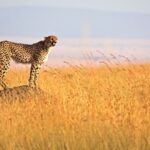
During the calving season, thousands of wildebeest calves are born within a relatively short period. The abundance of young animals also attracts predators such as lions, cheetahs and hyenas.
A Serengeti Migration Safari during this period is ideal for travelers interested in wildlife photography and predator-prey interactions.
The open plains also provide excellent visibility, making it easier to observe large herds and newborn animals.
April to May: Green Season and Migration Movement
April and May are generally associated with the long rains in Tanzania. The Serengeti becomes lush and green, creating beautiful scenery for photography.
During this period, the herds gradually begin moving north and west toward areas with new grazing.
The rainy season can bring fewer tourists, which can appeal to travelers looking for a quieter safari experience. However, some safari camps and lodges may have seasonal operating schedules, so it is important to plan ahead.
June to July: Northern Migration
As the dry season begins, the migration moves toward the western and northern Serengeti.
This period can be excellent for a Tanzania Wildebeest Migration Safari, especially for travelers hoping to combine the migration with classic Serengeti wildlife viewing.
The dry weather generally makes wildlife easier to spot because animals gather around remaining water sources.
By July, the herds may begin approaching the Mara River, creating the possibility of witnessing one of the most famous moments of the migration.
August to October: River Crossing Season
For many travelers, the Mara River crossings are the ultimate highlight of the Great Migration Safari.
The exact timing and location of river crossings are unpredictable. Wildebeest may gather along the riverbanks for days before finally crossing, and crossings can happen at different locations.
This unpredictability is part of what makes the experience so exciting.
A good safari operator can help position travelers in areas where the herds are currently active while also allowing enough time for other wildlife experiences.
November to December: Return South
Toward the end of the year, the migration begins moving south again.
The short rains bring fresh vegetation to parts of the Serengeti, encouraging the herds to continue their journey.
This period can be a great choice for travelers who want to experience the migration with potentially fewer crowds than during the peak river-crossing months.
Choose the Right Safari Duration
The length of your safari can significantly affect your chances of experiencing the migration.
A short safari may allow you to visit the Serengeti and see large herds, but spending more days in the region gives you greater flexibility to follow the animals.
For a dedicated Great Wildebeest Migration Tour, consider spending at least several days in the Serengeti.
A longer itinerary can also include other important Tanzania safari destinations such as Ngorongoro Crater and Tarangire National Park.
For example, a well-planned itinerary could combine:
Arusha → Tarangire National Park → Ngorongoro Crater → Serengeti National Park → Northern Serengeti
This allows you to experience both the migration and Tanzania’s wider wildlife attractions.
Decide Which Serengeti Region to Visit
The Serengeti is enormous, and the location of the herds changes throughout the year.
Southern Serengeti and Ndutu
The southern Serengeti and Ndutu region are particularly important during the calving season.
This area is known for open grasslands, large concentrations of wildebeest and excellent opportunities to observe predators.
Central Serengeti
Central Serengeti is a popular year-round safari area and offers excellent general wildlife viewing.
The region is home to lions, leopards, cheetahs, elephants, giraffes, buffalo and many other species.
Western Serengeti
The western Serengeti can become particularly interesting as the migration moves toward the western corridor.
The Grumeti River is located in this region, and travelers may have opportunities to witness dramatic wildlife encounters around the river.
Northern Serengeti
Northern Serengeti is one of the key areas for travelers hoping to see the migration around the Mara River.
Because the timing of the crossings cannot be guaranteed, staying several nights in the region can improve your chances.
Include More Than Just Wildebeest
Although the wildebeest are the stars of the migration, your safari should not focus exclusively on them.
The Serengeti is home to an extraordinary variety of wildlife.
During your Serengeti Migration Safari, you may encounter:
- Lions
- Leopards
- Cheetahs
- Elephants
- Buffalo
- Giraffes
- Hippos
- Hyenas
- Gazelles
- Zebras
- Wildebeest
- Numerous bird species
The presence of predators makes the migration particularly fascinating. Large concentrations of grazing animals create opportunities for lions, cheetahs, hyenas and other predators to hunt.
Consider a Private or Small-Group Safari
Your choice of safari style can influence the overall experience.
A private safari provides greater flexibility because your itinerary can be adjusted around your interests and the current location of the migration.
For example, wildlife photographers may prefer to spend additional time in areas where large herds or predator activity has been reported.
Small-group safaris can also provide an enjoyable experience while offering a more social and potentially more affordable option.
When choosing your Wildebeest Migration Safari Packages, consider the vehicle type, group size, guide experience and itinerary rather than focusing only on the number of days.
Choose Your Accommodation Carefully
Accommodation is another important part of planning a Great Wildebeest Migration Tour.
You can choose from a variety of options, including permanent lodges, tented camps and seasonal mobile camps.
Mobile camps can be particularly appealing for migration-focused travelers because they may be positioned closer to the areas where the herds are expected to move.
The best option depends on your travel style, budget and preferred level of comfort.
When comparing Wildebeest Migration Safari Packages, check exactly where the accommodation is located. A camp’s location can make a significant difference when you are trying to maximize time in the wilderness.
Work With an Experienced Safari Operator
The Great Migration is unpredictable. Even with detailed seasonal patterns, nobody can guarantee exactly where or when a river crossing will happen.
This is why working with an experienced Tanzania safari operator can make a major difference.
A knowledgeable safari company can help you select the right season, plan your route, choose suitable accommodation and adjust your safari strategy according to wildlife movements.
Experienced guides also know how to navigate the Serengeti and identify animal behavior, tracks and other signs that can make your wildlife experience more rewarding.
What Should You Pack for a Migration Safari?
Packing for a Great Wildebeest Migration Tanzania safari is relatively straightforward, but practical clothing is important.
Consider bringing:
- Lightweight, comfortable clothing
- A warm layer for cool mornings and evenings
- Comfortable walking shoes
- A wide-brimmed hat
- Sunglasses
- Sunscreen
- Insect repellent
- Binoculars
- Camera and extra batteries
- Extra memory cards
- A reusable water bottle
- Personal toiletries and medications
Neutral-colored clothing is generally a practical choice for safari because it blends naturally into the environment.
Prepare for Early Morning Game Drives
Some of the best wildlife viewing takes place early in the morning.
Animals are often more active during the cooler hours of the day, and early morning light can also provide excellent conditions for photography.
During a Tanzania Wildebeest Migration Safari, be prepared for early starts. The effort is often rewarded with peaceful landscapes, active wildlife and beautiful sunrise views over the Serengeti.
Be Patient During the Migration
One of the most important things to remember about a Great Migration Safari is that nature does not follow a fixed timetable.
You may arrive at a river crossing area and find thousands of wildebeest waiting. They might cross within minutes—or remain there for hours or even longer.
The same applies to predator sightings and herd movements.
Patience is therefore an essential part of the experience.
Rather than trying to check off individual sightings, allow yourself to enjoy the entire safari environment. Sometimes the most memorable moments are unexpected encounters that were never part of the original plan.
Why Choose Tanzania for the Great Migration?
Tanzania is the heart of the Great Migration because much of the annual cycle takes place within the Serengeti ecosystem.
A Tanzania safari also gives travelers the opportunity to combine the migration with other iconic destinations.
You can experience the vast Serengeti plains, explore the Ngorongoro Crater, see elephants among the baobabs of Tarangire and enjoy the landscapes and wildlife of northern Tanzania.
This makes Tanzania an excellent choice for travelers who want more than a single wildlife attraction.
Plan Your Great Wildebeest Migration Safari With African Overland
Planning a migration safari is about choosing the right combination of timing, location, accommodation and safari duration.
At African Overland, travelers can plan their Great Wildebeest Migration Tour around their preferred travel dates and wildlife interests. From the southern plains during calving season to the northern Serengeti during the migration’s dramatic river-crossing period, the right itinerary can help you make the most of your time in Tanzania.
Whether you are interested in photography, predator sightings, huge wildebeest herds or a classic African safari experience, Tanzania offers unforgettable opportunities throughout the migration cycle.
Ready to experience the Great Migration in Tanzania? Explore our Great Wildebeest Migration Tour and start planning your Tanzania safari adventure today.
Frequently Asked Questions About the Great Wildebeest Migration
What is the best month for the Great Wildebeest Migration?
There is no single best month because the migration moves throughout the year. January to March is particularly popular for calving, while July to October can offer opportunities to see the herds in northern Serengeti and around the Mara River.
How long should I spend on a Great Wildebeest Migration Safari?
For a dedicated migration experience, spending several days in the Serengeti is recommended. A longer stay provides more opportunities to follow the herds and experience different wildlife areas.
Can I see the Big Five during the Great Migration?
Yes. The Serengeti supports excellent populations of lions, leopards, elephants, buffalo and other wildlife, so a migration safari can also provide excellent Big Five viewing opportunities.
Are the wildebeest river crossings guaranteed?
No. River crossings are natural events and cannot be guaranteed. The timing and exact crossing locations depend on weather, water levels and the movement of the herds.
Is the Great Wildebeest Migration suitable for first-time safari travelers?
Absolutely. A well-planned Great Wildebeest Migration Tour can be an excellent introduction to Tanzania and African wildlife. An experienced guide and carefully planned itinerary can make the experience comfortable and rewarding.
Should I book my Tanzania Wildebeest Migration Safari in advance?
Yes. Popular migration periods can be in high demand, particularly around the northern Serengeti and Mara River. Booking ahead gives you a better choice of accommodation and itinerary options.
Final Thoughts
The Great Wildebeest Migration is more than a wildlife spectacle—it is a year-round journey that showcases the extraordinary relationship between animals, water, grasslands and the seasons.
The key to planning the perfect Great Wildebeest Migration Safari is understanding how the migration changes throughout the year and choosing an itinerary that matches your interests.
With the right timing, an experienced safari guide and enough time in the Serengeti, you can experience one of Africa’s most unforgettable natural events.
Start planning your Great Wildebeest Migration Tanzania adventure and discover the incredible world of the Serengeti with African Overland.