
Choosing the best time for a safari in Tanzania is one of the first questions every traveler asks—and for good reason. Tanzania’s climate, wildlife movement, and seasonal highlights make each month unique. Whether you’re chasing the Great Migration, looking for lush green landscapes, or hoping for fewer crowds, Tanzania offers something extraordinary all year round.
Below is your ultimate African Overland guide to understanding Tanzania’s seasons, wildlife patterns, and the ideal time for your safari—based entirely on your personal travel style.
Understanding Tanzania’s Climate
Unlike regions with winter, spring, summer, and fall, Tanzania’s weather is influenced by the equator and the Indian Ocean, resulting in two major seasons:
Dry Season
June to October & January to February
Sunny, warm, and ideal for wildlife viewing.
Wet Season
March to May & October to December
Lush, green, with occasional rain—perfect for photographers and solitude seekers.
Keep in mind: Rain in Tanzania is often short-lived, clearing into sunny afternoons.
Tanzania Safari Seasons Explained
January – March: Hot, Dry & Full of Wildlife
This is one of the most popular safari times.
Hot temperatures (peaking in February)
Great wildlife concentration around limited water sources
Tarangire National Park becomes a wildlife hotspot
Ideal for photographers and families
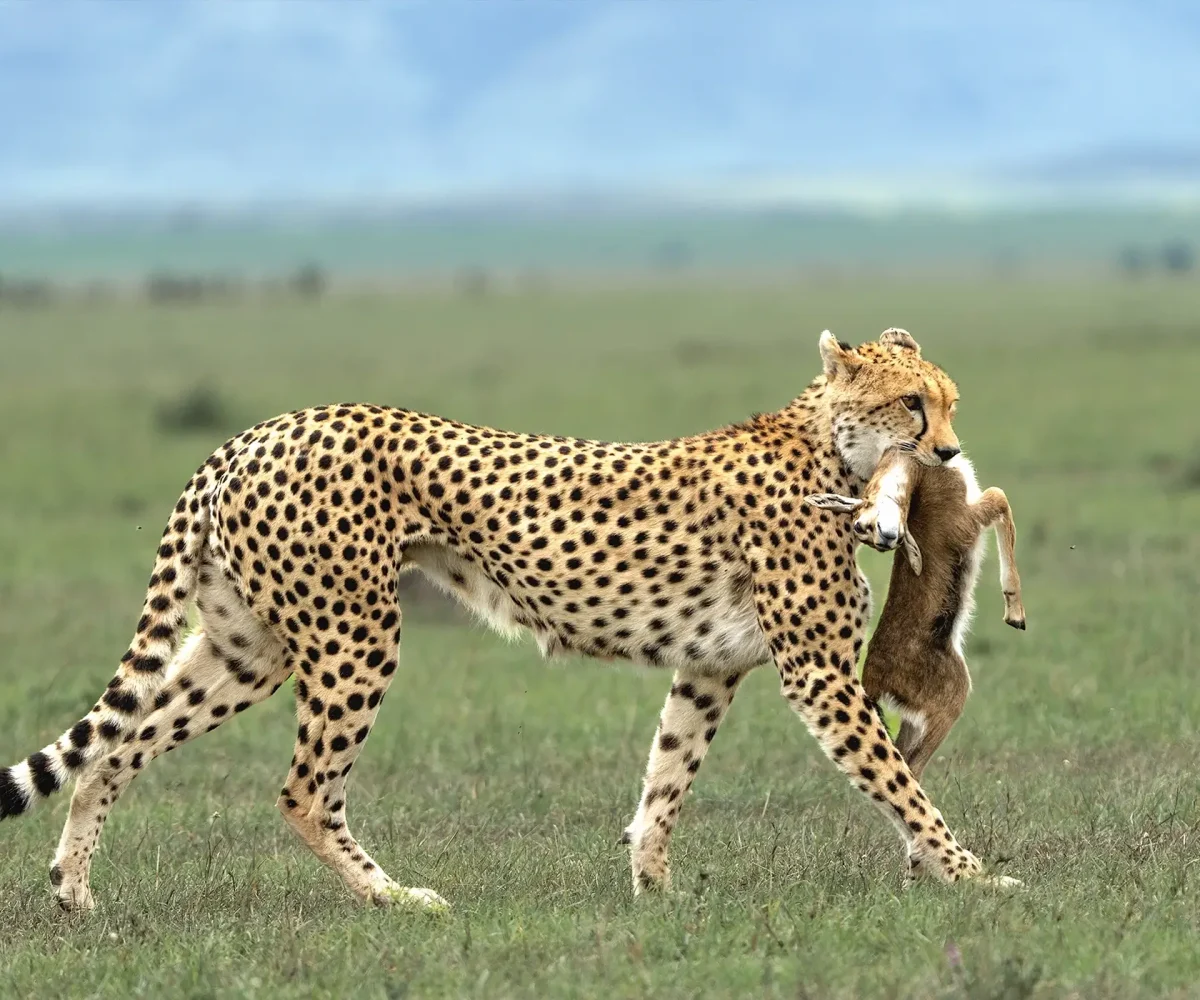
Expect: Bushes turning golden, active predators, beautiful sunsets.
March – May: Long Rainy Season (Green Season)
The landscape transforms into lush, green paradise.
Morning and night rains
Afternoons often sunny
Roads may be muddy but main routes remain accessible
Fewer tourists + low-season lodge discounts
Many travelers love this season for its intimacy, silence, and vibrant wildlife.
June – September: Cool Dry Season (Peak Travel Months)
Locals may call this the “cold season,” but visitors find it refreshing.
Crisp mornings and sunny afternoons
Prime time for wildlife viewing
Peak season for the Great Migration in Serengeti
Parks are busier but spectacular
If you dislike heat, this is your perfect safari window.
October – December: Short Rains & Blossoming Landscapes
Short rains transform the parks into green oases
Jacaranda trees bloom in purple (October)
Blaze-red Flame Trees bloom in December
Christmas season brings many visitors
Weather becomes warm and pleasant
This season offers colorful landscapes, new life, and warm evenings.
Dry Season Pros & Cons
Excellent weather
Large wildlife concentrations around waterholes
Great for families & honeymoons
Perfect for evening swims
Aligns with holiday travel schedules
Cons
Crowds in popular parks
Higher accommodation prices
Can be dusty late in the season
Rainy Season Pros & Cons
Lush green landscapes
Rich photography opportunities
Fewer tourists
Off-season accommodation discounts
Wildlife very active
Cons
Some roads may be muddy
Possible wet mornings
Animals spread out due to plentiful water
The Great Migration: Tanzania’s Ultimate Wildlife Event
The Great Wildebeest Migration is one of the world’s greatest natural spectacles, attracting visitors from every corner of the planet.
Highlights by Month
February: Calving season — thousands of baby wildebeest are born daily
March–April: Herds gather in the Seronera region
May: Massive columns move north, preparing for the Grumeti River crossing
July–September: Dramatic Mara River crossing (Serengeti ↔ Maasai Mara)
October–January: Herds return south to fresh grazing lands
There are two major river crossings:
Grumeti River → May & June
Mara River → July & August
This continuous cycle has repeated annually for thousands of years— an unforgettable African Overland experience.
So, When Is the Best Time to Visit Tanzania?
 For the Great Migration River Crossing:
 For the Great Migration River Crossing:
July – August
For fewer crowds & lush greenery:
March – May (Green Season)
October – November
For the coolest and most pleasant weather:
June – September
For hot weather and classic African landscapes:
January – March
The truth?
There is no bad time to visit Tanzania.
Each season offers something different—and magical.
Whether you prefer lush green forests, dramatic river crossings, quiet safaris, or sunny dry-season adventures, your perfect moment in Tanzania depends entirely on you.
Your African Overland safari awaits—full of life, movement, color, and unforgettable wildlife moments.